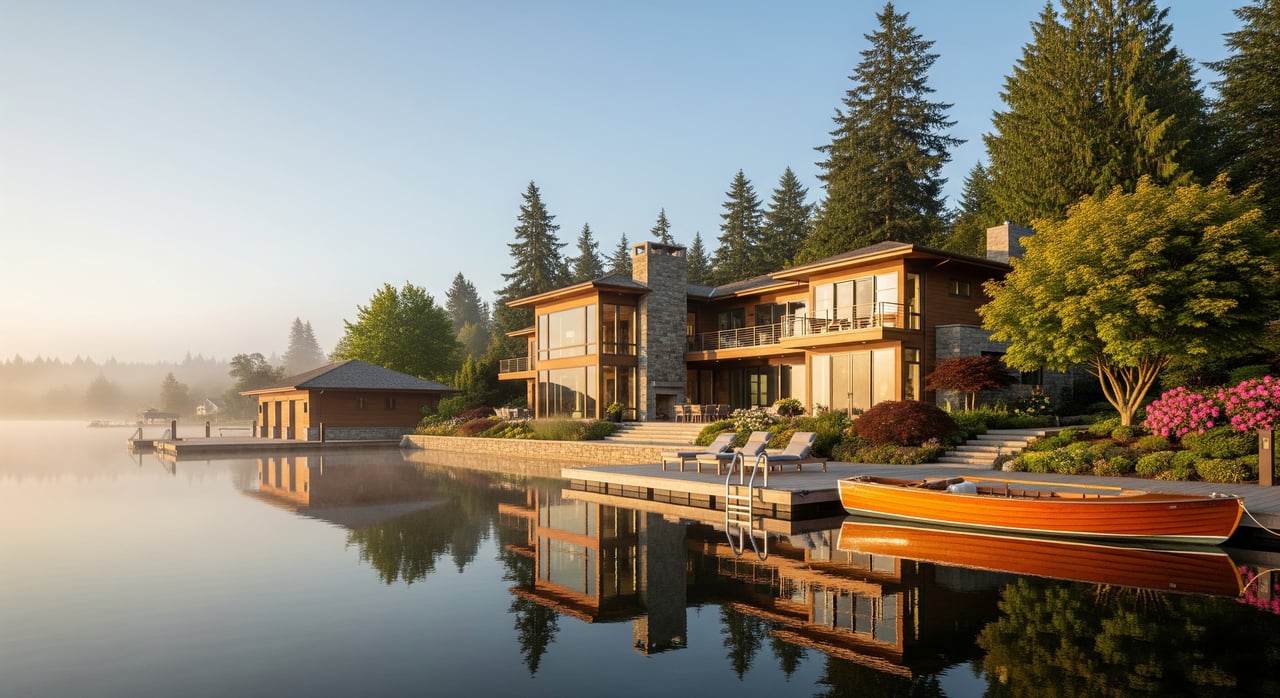
Picture your morning starting with glassy water and birdsong, then a short stroll to coffee and a lakeside plaza where neighbors wave hello. If you’re weighing Portland suburbs, living on or near Oswego Lake offers a calm, connected routine with easy access to parks, schools, and local shops. In this guide, you’ll learn how lake access works, where people spend their time, and what trade‑offs to expect as a buyer. Let’s dive in.
Oswego Lake at a glance
Oswego Lake sits at the center of Lake Oswego, a close‑in suburb south of Portland with tree‑lined streets and a small‑town feel. Many residents commute into Portland for work while leaning into an outdoor lifestyle at home. You’ll find a mix of historic and newer homes, from waterfront estates to quiet streets a short drive from the lake. Daily life tends to orbit the lake, neighborhood parks, and a walkable downtown.
Everyday life on the water
Summer on the lake
Warm, dry summers shape the rhythm here. From late spring through early fall, you’ll see paddleboards, kayaks, and casual motorboats on the water, with peak activity on sunny weekends. Mornings are calmer for a quiet paddle, while afternoons bring more social energy. Cooler, wetter winters move the action to parks, cozy cafes, and community events.
Public lakefront moments
While much of the shoreline is private, the city maintains gathering places on the lake. Downtown’s Millennium Plaza Park is a favorite for lakeside walks, concerts, and seasonal events; it’s an easy way to sample the scene without owning a dock. Explore the broader network of parks and programs through the City of Lake Oswego’s Parks & Recreation resources to plan your weekend routine.
- Learn more about Millennium Plaza Park via the city’s page: Millennium Plaza Park
- Explore programs, parks, and events: City of Lake Oswego Parks & Recreation
Parks, trails, and green time
Beyond the lake, you’ll find neighborhood parks for everyday play, dog walks, and after‑school bike rides. Larger green spaces and nearby river corridors make it easy to plan quick nature outings. Weekends often include picnics, youth sports, and community activities. The city’s programming helps families stay active year‑round, even when the lake is quiet.
Where you run errands and dine
Downtown/Old Town offers a walkable cluster of cafes, restaurants, boutiques, and services near the water, which makes spontaneous evenings simple. In Lake Grove and along major corridors, you’ll find grocery stores, fitness options, medical offices, and daily conveniences. Many residents mix short drives with occasional walks, depending on their neighborhood and schedule. During event weekends, you can plan your errands around lakeside happenings.
Schools and family routines
The Lake Oswego School District is widely known for strong academics and extracurriculars. Families often plan after‑school activities, carpools, and practice times around proximity to neighborhood schools and fields. If you’re comparing homes, it helps to review programs, calendars, and boundary maps directly from the district to see how a location fits your routine.
- District information and boundary resources: Lake Oswego School District
Getting around and commutes
Most residents drive to work or activities, with commute times varying by route and rush hour. Public transit exists in select corridors, but options are more limited than in inner Portland. Check TriMet routes and schedules to see which lines serve your preferred neighborhood and destination. Some areas near downtown and commercial streets are bike‑ and walk‑friendly, while hillside and farther‑out streets are more car‑dependent.
- Route planning and schedules: TriMet
Home types near the lake
Waterfront homes
Lakefront homes are often custom or historic, with docks and direct water access. These properties typically command the highest prices and require careful due diligence on shoreline rules and maintenance. Buyers value direct access for morning paddles, summer gatherings, and sunset dining.
Near‑lake and inland homes
Just off the water, you’ll find homes with lake views or quick access to parks and the downtown plaza. Farther away, conventional suburban homes and townhouses offer a broader range of price points while keeping you close to schools and amenities. Your choice often balances space, budget, and how much you prioritize water access.
Lake access and ownership basics
Who can use the lake?
Much of the shoreline is privately owned, and many docks are private. Public access is concentrated at specific parks and plazas. Lake rights are not automatic, so confirm whether a property includes recorded lake access or a dock easement during your review. Access rules can change, so always verify with city resources and property documents.
Docks, boathouses, and permits
Dock and boathouse structures are typically regulated by the city and, in some cases, by neighborhood or lake associations. Before you buy, confirm the property’s permitting history and what is allowed for future improvements. Start with city planning resources for current shoreline guidelines and permitting steps.
- Planning and permitting information: City of Lake Oswego Planning
Associations, covenants, and fees
Some lake‑adjacent neighborhoods maintain HOAs or lake associations that set rules for boat types, guest access, and dock use. Expect covenants, fees, and occasional assessments that support shared waterfront facilities or shoreline work. Reviewing CC&Rs and any lake‑specific documents is a key part of due diligence.
Noise, privacy, and seasons
Summer weekends bring more activity, especially near popular public areas. If privacy is a priority, visit a home at different times of day and during peak season. Consider view corridors, sun exposure, and microclimate as you think through daily life on decks and patios. What feels vibrant to one buyer can feel busy to another.
Buyer trade‑offs to consider
- Access vs. privacy: Waterfront access offers unmatched convenience, while near‑lake homes may trade direct access for quieter streets and value.
- Budget and maintenance: Waterfront typically carries a price premium and higher upkeep for docks, shoreline, and insurance.
- Commute and transit: Closer‑in streets near downtown improve walkability but may add seasonal activity; farther neighborhoods add car reliance.
- Rules and flexibility: HOAs and lake associations enhance consistency but can add rules for boats, guests, and improvements.
Quick due diligence checklist
-
Confirm recorded lake rights, dock easements, and any association membership tied to the property.
-
Review HOA or lake association covenants, fees, rules on boats, guest access, and rentals.
-
Check city permitting history for docks or boathouses and any shoreline stabilization work.
-
Verify any pending assessments or planned waterfront projects that could affect costs.
-
Review floodplain or wetlands designations and any implications for remodeling.
-
Cross‑check property records with the county for ownership and easements.
-
County property and tax resources: Clackamas County Assessment & Taxation
Try a day in Lake Oswego
If you’re comparing Portland suburbs, spend a Saturday downtown. Grab coffee, walk the lakefront at Millennium Plaza Park, and tour nearby neighborhoods to see house styles and street feel. On a weekday, drive your expected commute and check TriMet options to see how schedules match your day. You’ll get a clear sense of your ideal balance of access, privacy, and convenience.
Let’s plan your next step
Choosing between waterfront, near‑lake, and inland homes is personal, and details like lake rights, HOA rules, and commute routes matter. A thoughtful plan and thorough review will set you up for a smooth purchase. If you want experienced guidance and a data‑driven view of current inventory, connect with the team at Eleete Real Estate.
FAQs
Can anyone use Oswego Lake if they don’t live on it?
- Public lakefront space exists at specific parks and plazas, but many shorelines and docks are private. Always verify current access rules with city resources and property documents.
How long is the commute from Lake Oswego to downtown Portland?
- Commute times vary by route and rush hour; many residents drive. Use TriMet to check bus options if you prefer transit.
Are the schools near Oswego Lake highly regarded?
- The Lake Oswego School District is widely recognized for strong academics and activities. Review programs and boundaries directly on the LOSD website.
Is living on the lake noisy during summer?
- Activity increases on sunny weekends and near popular public areas. If noise levels matter, visit the location on a summer weekend and review any local boating or noise guidelines with the city.
How much more does a lakefront home cost than inland options?
- Waterfront typically carries a premium that varies by lot, view, dock access, and improvements. Ask your agent for current market comparisons before you make an offer.
What are the rules for docks or boathouses on Oswego Lake?
- Rules change over time and can involve city permits and association guidelines. Start with City of Lake Oswego Planning and review HOA or lake association documents during due diligence.