Thinking about buying in Forest Heights and wondering what the HOA actually covers? You are not alone. With wooded lots, hillside streets, and a mix of housing types, HOAs here can look very different from one property to the next. This guide shows you what Forest Heights HOAs typically include, how dues and reserves work, and the key items to check in the CC&Rs before you write an offer. Let’s dive in.
Forest Heights HOA basics
Forest Heights is not governed by a single, master HOA that fits every home. Some streets or condo and townhome communities have formal HOAs with full services. Others may have limited-scope HOAs, a neighborhood association, or no HOA at all. Coverage, rules, and dues depend on the specific property and the documents recorded against it.
You will see the most variation between detached single-family homes and condo or townhome communities. Condos and townhomes often have more exterior coverage and higher dues. Many single-family areas focus more on shared landscaping, trails, or private road upkeep. Always confirm the exact HOA tied to the address you are considering.
What HOAs typically cover
Common areas and trails
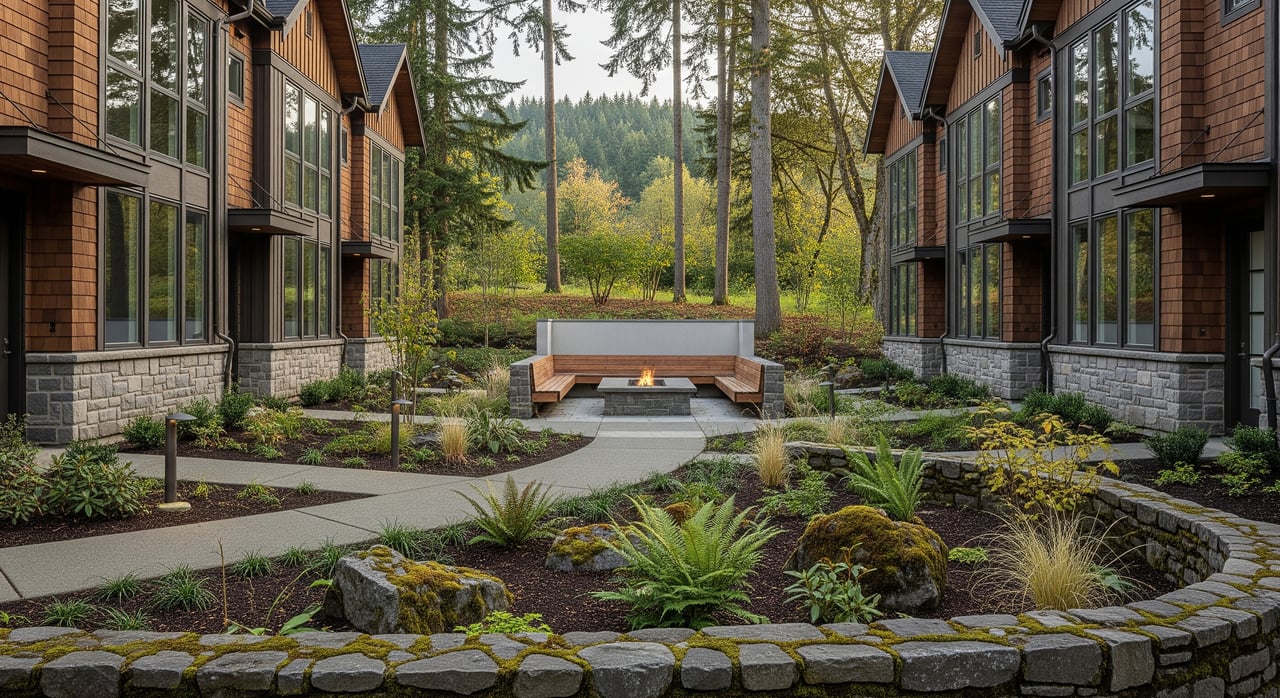
Many Forest Heights associations maintain greenbelts, trail connections, signage, and erosion control on HOA-owned land. In a wooded, hillside area, you will often see policies for trail safety, vegetation management, and access points. These costs show up in regular assessments and reserve planning.
Private roads and drainage
Where streets or drives are private, the HOA usually covers repairs, snow and ice removal, street sweeping, lighting if privately owned, and stormwater features. Hillside neighborhoods may also include retaining walls or drainage systems. This infrastructure can drive both ongoing dues and future reserve needs.
Landscaping and exterior common areas
HOAs commonly handle irrigation, turf, planting beds, and tree trimming on shared property. Seasonal work like leaf removal is typical. Some associations also have rules for homeowner-planted trees or shrubs that impact sightlines or wildfire mitigation.
Amenities and shared services
Not all Forest Heights properties include amenities, but where present the HOA maintains clubhouses, pools, playgrounds, dog areas, and shared parking. Utilities for common areas, such as water for irrigation or electricity for lighting, are often paid by the HOA. A few communities may manage shared trash or dumpsters for common spaces.
Insurance for common property
Most associations carry master property and general liability insurance for HOA-owned areas. This coverage does not replace an individual owner’s policy. If you are purchasing a condo, it is important to understand whether the master policy is bare walls or all-in, since that affects what your personal policy should cover.
Rules and governance
HOAs enforce community rules and architectural standards. You will see design review requirements for exterior changes like paint, additions, roof materials, fencing, decks, landscaping, solar, and lighting. The association manages covenant enforcement, fines, and bylaws related to uses, parking, and rentals where applicable.
What HOAs do not cover
- Interior maintenance and in-unit repairs for individually owned homes, except where a condo or townhome association explicitly covers certain exteriors.
- Individual utilities and personal insurance unless documents say otherwise.
- Municipal services provided by the city or county, such as police and fire, and often public sidewalks or rights-of-way that are not HOA-owned.
Dues, reserves, and assessments
Regular assessments
HOA dues are charged monthly, quarterly, or annually. These cover landscaping, snow and ice removal, utilities for common areas, management fees, and routine maintenance. The amount depends on the scope of services and any amenities.
Reserve funds and studies
A healthy reserve fund helps pay for big-ticket items over time. In hillside communities, that can include paving, retaining walls, roof or siding for shared buildings, fencing, or drainage work. A recent reserve study is a good sign that the board understands long-term needs. Low reserves increase the risk of future special assessments.
Special assessments and one-time fees
If reserves fall short or an unplanned project comes up, the HOA may levy a special assessment. Common triggers include major drainage repairs, retaining wall replacements, seismic work, or legal settlements. Some associations also charge transfer fees, move-in fees, or a one-time capital contribution at closing.
Insurance implications for owners
Review the master insurance declarations to see what is covered and the deductible level. If the master deductible is high, some associations can assess a share of that cost to owners after a claim. For condos, clarify whether you need an HO-6 policy for interior finishes and personal property. Your insurance coverage should match the master policy structure.
Read CC&Rs with this checklist
- HOA identity and scope: Confirm the legal name, the governing documents, and which lots or units are included.
- Maintenance responsibilities: Define who maintains roofs, exteriors, driveways, fences, retaining walls, private roads, landscaping, and stormwater features.
- Architectural approval process: Know what requires approval, submittal requirements, typical timelines, and any appeal rights.
- Use restrictions: Check rental caps, home-based business provisions, and any short-term rental prohibitions.
- Pet, noise, and parking rules: See policies for pet counts, leash and cleanup, guest parking, commercial vehicles, and street parking.
- Assessment clauses: Note how dues are calculated, late fees and interest, special assessment authority, and lien or foreclosure rights.
- Amendment and termination: Understand how rules can change and how difficult amendments will be in the future.
- Transfer and resale: Look for any transfer fees, resale disclosure packages, or compliance inspections required at sale.
- Insurance obligations: Clarify master policy coverage and deductible responsibilities, and any owner insurance requirements.
- Dispute resolution and enforcement: Review fine schedules, hearings, and any mediation or arbitration requirements.
- Governance and elections: See board composition, terms, quorum, voting classes, and access to meeting minutes.
- Litigation and claims: Scan for pending or recent lawsuits in minutes and financial statements.
- Easements and access: Note utility easements, rights-of-way, and required owner cooperation for maintenance.
- Environmental and tree rules: Understand tree and vegetation rules, wildfire mitigation expectations, and any ties to city or county permits.
- Local code references: Some CC&Rs require compliance with Portland or Multnomah County rules, which may supersede certain private covenants.
Due diligence timeline for buyers
Before you write an offer
- Ask for the full CC&Rs, bylaws, rules and regulations, latest budget and financials, reserve study, recent meeting minutes, insurance declarations, and the management contract if applicable.
- Include an HOA document review contingency or a longer inspection period if you cannot review documents up front.
- If you plan exterior changes, verify design review timelines and standards ahead of time so you can plan your schedule and costs.
After mutual acceptance
- Request updated financials, delinquency reports, and notice of any pending or approved special assessments.
- Review the reserve study for upcoming projects in the next 12 to 36 months.
- Walk the property and common areas to gauge maintenance. Look at trails, landscaping, roads, and drainage features.
Professional review
- Have a real estate attorney who knows Oregon HOA law review the CC&Rs and answer questions about enforcement and limits.
- If buying a condo or townhome, speak with an insurance agent to align your policy with the master policy deductibles and coverage.
Affordability and negotiation
- Build dues and possible assessments into your monthly budget and loan qualification.
- Use findings like low reserves, repeated special assessments, or restrictive design timelines as negotiation points for price or terms.
Request at least the last 2-3 years of financials plus the most recent reserve study and meeting minutes. This set of documents helps you catch assessment risk, deferred maintenance, and rule changes that could impact your plans and budget.
Local factors in Forest Heights
Hillside terrain and wooded open space shape HOA responsibilities in Forest Heights. Private roads, steep driveways, and drainage systems require routine care and long-term capital planning. Trails and greenbelts add lifestyle value, but they also need vegetation management and erosion control.
Tree and stormwater rules can affect both HOA and individual owner responsibilities. Expect more attention to design review for exterior changes, including roof materials, fences, decks, and landscaping that impacts sightlines or wildfire risk. These local dynamics make a solid reserve plan and clear maintenance language even more important.
Key questions to ask
- What are the current regular assessments and how often are they billed?
- Are there pending or recently approved special assessments?
- What is the reserve balance and the date of the last reserve study?
- What capital projects are planned in the next 12 to 36 months?
- Are rentals or short-term rentals restricted, and if so, how?
- What is the master insurance deductible and how are deductibles assessed to owners?
- Who is the management company and how are they compensated?
- What are typical architectural review timelines for common projects like paint, fencing, decks, or solar?
The bottom line for buyers
There is no single HOA model in Forest Heights. That is why document review and on-the-ground checks matter. Focus on what the HOA covers, how well the reserves match future needs, and whether the rules fit your plans for the home. Request at least 2-3 years of financials, the most recent reserve study, and recent meeting minutes before removing any contingency.
If you want a steady, team-backed advocate to guide this process and help you compare properties side by side, we are here to help. Connect with Eleete Real Estate to review HOA documents, plan your due diligence, and put your offer on a confident footing.
FAQs
What do Forest Heights HOAs usually cover for owners?
- Many cover common areas like trails and greenbelts, private roads and drainage, shared landscaping, amenities if present, master insurance for common property, and rule enforcement.
How do HOA dues and assessments work in Forest Heights?
- Regular dues fund operations and routine maintenance, while reserves cover big projects; if reserves fall short, HOAs may levy special assessments for major repairs or unplanned needs.
What should I look for in CC&Rs before buying in Forest Heights?
- Confirm maintenance duties, design review rules and timelines, rental and parking policies, assessment authority, insurance obligations, governance, and any pending litigation or special projects.
What is the difference between an HOA and a neighborhood association?
- An HOA is a legal entity with enforceable CC&Rs and dues, while a neighborhood association may focus on community events or advocacy and usually does not impose binding rules or assessments.
Who maintains private roads and retaining walls in Forest Heights?
- Where roads or walls are on HOA property or easements, the association typically maintains them, which is why reserves and long-term planning are important in hillside areas.
Are short-term rentals typically allowed by Forest Heights HOAs?
- Many associations restrict or prohibit short-term rentals; always verify rental rules and caps in the CC&Rs and current rules and regulations.
What insurance will I need if I buy a condo in Forest Heights?
- You will usually need an HO-6 policy tailored to the master policy’s structure and deductible; confirm whether the master policy is bare walls or all-in before setting coverage.