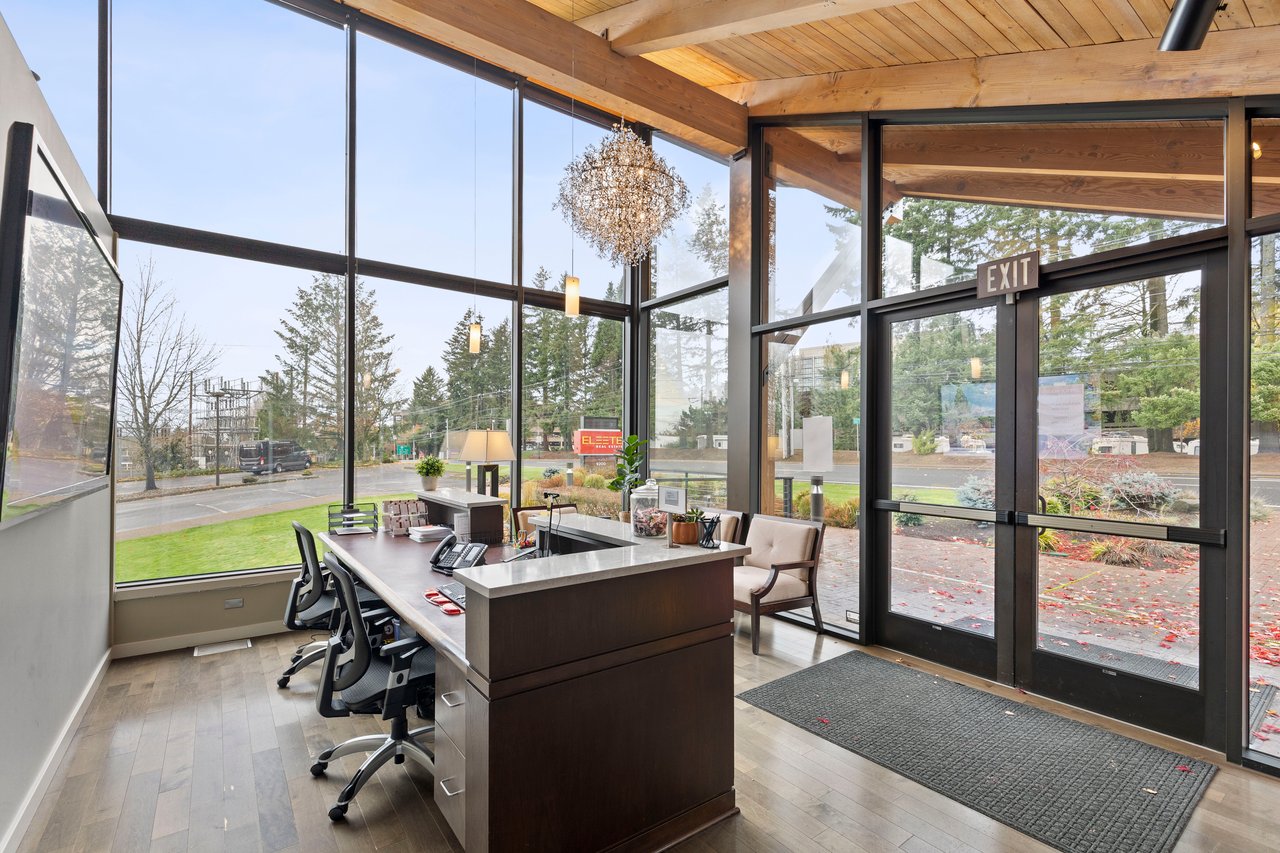
You hear mixed headlines about Portland-area real estate and wonder what they mean for your home in Lake Oswego. If you plan to sell this year, guessing is not a strategy. You can read today’s market with a few key metrics, a simple local lens, and a practical plan that fits your price band and property type. This guide shows you how to interpret the numbers that matter in Lake Oswego, where to find reliable local data, and how to turn signals into a smart selling strategy. Let’s dive in.
The metrics that matter
Median price and price trend
Median sale price tells you the middle of the market, not the average. Look at the last 30 to 90 days for momentum, and 6 to 12 months for the broader trend. In Lake Oswego, compare the overall city trend to your price band so you do not miss very different behavior at the high end versus the mid-tier.
- Rising median price with tighter supply is a sign of growing seller leverage.
- Flat or falling medians with more active listings suggest more negotiation.
Days on market (DOM)
DOM measures how long homes take to secure an accepted offer. Use the median to avoid outliers.
- Under 30 days signals an active seller’s market.
- 30 to 60 days suggests a balanced to slight seller’s market.
- Over 60 days points to slower conditions.
If DOM is climbing and price reductions are common, buyers are pushing back on current pricing.
Inventory and months of inventory (MOI)
MOI shows the balance between supply and demand. It is calculated as active listings divided by the average monthly closed sales.
- Under 3 months signals a strong seller’s market.
- 3 to 6 months is balanced.
- Over 6 months favors buyers.
In Lake Oswego, break MOI into price bands such as under $800,000, $800,000 to $1.5 million, and over $1.5 million. Lakefront and luxury tiers often have different MOI than family-focused neighborhoods.
List-to-sale price ratio
This ratio compares the final sale price to the list price. It shows how close buyers are coming to asking.
- Over 98 to 100 percent means buyers are paying near or at list, sometimes above.
- 95 to 98 percent means modest negotiation.
- Under 95 percent means meaningful discounts.
Also track how often sellers make price reductions and how quickly they do it.
Price per square foot and comps
Price per square foot helps you compare similar homes, but it is only one piece of value. Lot size, finish level, floor plan, view, and lake access matter a lot in Lake Oswego. Use true apples-to-apples comps and adjust for the features buyers pay for most.
New listings and pending ratio
Watch the flow of new listings and the pending-to-active ratio. When pending sales are near or above the number of active listings in a month, demand is strong. If new listings outpace pendings, expect inventory to build.
Other on-the-ground signals
Offer counts, contingency waivers, and the time to first price reduction add color you cannot see in public dashboards. Your listing team can pull these from the MLS when available.
How to read Lake Oswego’s micro-markets
Segment by property and price
Lake Oswego is not one market. To read conditions, segment your analysis and pricing strategy.
- Lakefront and lake-access properties. Small inventory, unique comps, and longer selling cycles with higher prices.
- Upper-tier single-family homes. Large lots, view homes, and custom builds that require careful comp selection.
- Move-up and mid-tier single-family. Family-focused neighborhoods where demand often follows school-year timing.
- Attached homes and condos. Different buyer pool and often different MOI than detached homes.
Seasonality patterns
Spring usually brings more listings and more buyers across the Portland metro. Fall and winter often slow. Compare this year’s 90-day window to the same period last year and to the prior 6 to 12 months so you can separate seasonal noise from a true shift.
Supply constraints that support pricing
Lake Oswego has limited waterfront parcels, larger lots in select areas, and few large-scale new-home developments. That constrained supply can support pricing for distinctive properties. In some neighborhoods, buyers value location so highly that teardown or major renovation potential can influence land value.
Regulatory and tax notes
The federal primary residence capital gain exclusion may reduce taxable gain for eligible sellers. Oregon has state income tax, and property taxes vary by assessed value. Speak with a tax professional about your situation so you can model net proceeds with confidence.
Where to get trustworthy local data
- RMLS. The Portland region’s MLS is the most direct source for Lake Oswego stats like DOM, list-to-sale ratios, active and pending counts, and closed comps. Ask your agent for custom reports.
- Oregon REALTORS market reports and local broker snapshots. Use these for regional context and commentary.
- County records. The Clackamas County Assessor and Recorder provide tax data, deeds, and permit history, which help identify remodels and land value trends.
- Aggregators for cross-checking. City pages and data centers can help you spot big-picture trends, but confirm with MLS data because third-party sources can lag.
Recommended queries and time windows
- Immediate pulse. Last 30, 60, and 90 days for closed sales, actives, median DOM, and list-to-sale ratio in your exact price band.
- Seasonal check. Compare the current 90-day window to the same 90-day period last year and to the prior 6 to 12 months.
- Luxury and lakefront. Use 6 to 12 months to build a meaningful comp set and apply filters for waterfront or specific neighborhoods.
- Price-band MOI. Break supply and demand into under $800,000, $800,000 to $1.5 million, and over $1.5 million to find where leverage sits today.
Strategy by seller goal
General rules tied to metrics
- Low MOI, short DOM, and high list-to-sale ratio. You can price with confidence, set a shorter market window, and use offer deadlines to focus demand.
- Rising MOI, lengthening DOM, and frequent reductions. Lean conservative on price, tighten your prep, and expect more negotiation and a longer timeline.
- Mixed signals by price band. Tailor your plan to your segment rather than the citywide average.
If you are upsizing
Selling first can remove the financing risk on your purchase. Buying first may require bridge financing or a purchase contingency. If your current price band is strong but the higher tier is softer, consider selling first to capture top proceeds and shop as a stronger buyer with fewer contingencies.
If you are downsizing
Inventory for smaller or low-maintenance homes can be tight. Time your sale for months with more selection, or consider a rent-back after closing to give you breathing room. Build a precise net-proceeds plan that includes transaction costs and potential tax treatment so you can price with clarity.
If you are relocating
If you have a fixed move date, prioritize offers with fewer contingencies and quicker closings, even if they are not the absolute top price. Use premium visuals, floor plans, virtual tours, and a strong network to reach out-of-area buyers who value Lake Oswego lifestyle and access.
Luxury and lakefront considerations
Unique properties require disciplined pricing and standout presentation. Staging that highlights views, outdoor spaces, and water access is essential. Use a wider comp window and qualitative intel on recent buyer types and financing to frame value and timing.
Tactical moves when the market shifts
- Tightening market. Test pre-market showings to trusted brokers, set clear offer deadlines, and consider strategic pricing to spark competition.
- Cooling market. Complete a pre-inspection, make focused cosmetic updates, widen showing access, and deliver upfront disclosures to lower buyer friction.
- Always. Prepare a detailed net-proceeds worksheet that accounts for closing costs, commissions, repairs, and potential capital gains exposure.
Quick seller checklist
- Pull active and pending listings for your price band in Lake Oswego for the last 30 and 90 days.
- Review closed sales for the last 90 days and the last 12 months with true comps.
- Track median DOM and the share of listings with price reductions.
- Calculate MOI and absorption by price band.
- Check list-to-sale ratios and note any above-list sales in your segment.
- Note mortgage rate context and any regional demand signals.
- For lakefront or luxury, collect qualitative notes on access, view, and private amenities.
- Confirm property tax details and any recent permits or improvements.
Turn data into decisions with a proven process
You do not need to decode the market alone. With senior-broker guidance, absorption analysis by price band, and premium marketing that reaches the right buyers, you can list with confidence and move on your timeline. If you want a clear read on today’s signals for your home, request a complimentary market plan from the team that pairs boutique service with institutional-grade process at Eleete Real Estate.
FAQs
How do I know if now is a good time to sell in Lake Oswego?
- Compare MOI, median DOM, and list-to-sale ratio in your price band to common thresholds, and use a same-season comparison to last year to confirm direction.
What is months of inventory and why does it matter?
- MOI shows how long it would take to sell current listings at the recent sales pace, where under 3 months favors sellers, 3 to 6 is balanced, and over 6 favors buyers.
How long will it take to sell my Lake Oswego home?
- Use median DOM for your segment, then add time for prep and marketing; expect faster timelines in spring and slower timelines in late fall or winter.
Should I price to spark a bidding war in Lake Oswego?
- Consider it only when your segment shows low MOI, short DOM, and a high share of above-list outcomes; otherwise, a measured list price protects momentum.
How should I price a lakefront or unique property in Lake Oswego?
- Build a comp set over 6 to 12 months, adjust for access, view, and amenities, and pair disciplined pricing with premium staging and targeted outreach.
How can I buy and sell at the same time without extra risk?
- Explore selling first, bridge financing, or rent-backs; align your strategy to your market segment and timeline to balance certainty, price, and convenience.