Falling for a historic home is easy. Knowing what you are really buying in Irvington or Alameda takes a closer look. If you are drawn to original woodwork, classic rooflines, and Portland character, this guide will help you understand the practical side too, from historic status and review rules to inspection priorities and renovation planning. Let’s dive in.
Why Irvington and Alameda stand out
Irvington and Alameda are both historic Northeast Portland neighborhoods with roots in the streetcar era, but they do not work exactly the same way. That difference matters when you are comparing homes, planning updates, or trying to understand future costs.
Irvington is a City-designated Historic District and also a National Register district, according to Portland’s historic district resources. Alameda is best understood as a historic neighborhood with many older homes, but you should not assume a property has formal historic status just because it has an Alameda address. Portland recommends checking the specific parcel on PortlandMaps.
Irvington vs. Alameda character
Irvington’s appeal
Irvington covers about 583 acres, and most homes were built between 1900 and 1930. The district documentation says about 85 percent of its buildings contribute to the historic character, with tree-lined streets and a uniform setback pattern that reflects its streetcar suburb origins.
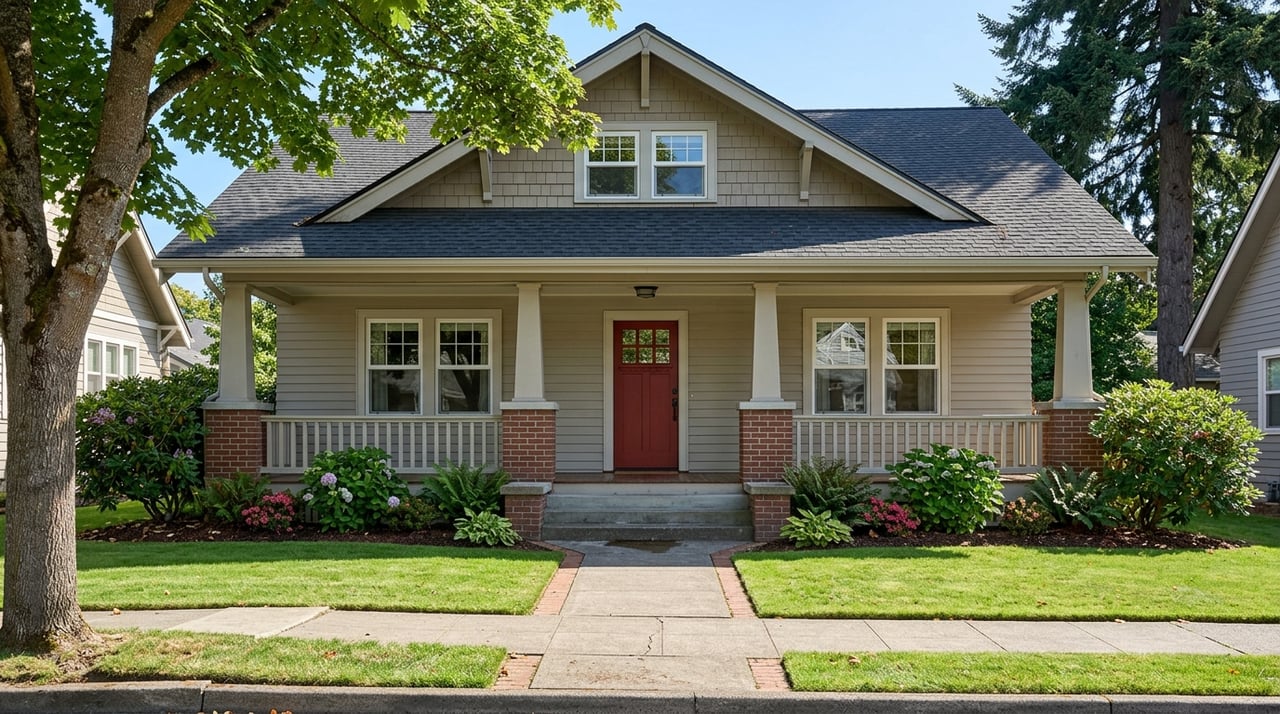
If you love a consistent streetscape, Irvington often delivers that feeling. The neighborhood is known for Queen Anne, Period Revival, Bungalow/Craftsman, and Prairie School homes, along with Tudor Revival, Colonial Revival, Mediterranean Revival, and other styles noted in the district documentation.
Alameda’s appeal
Alameda was platted in 1909 and also developed as a streetcar suburb, with major growth in the 1910s and 1920s. Its ridge setting created larger and more irregular lots, and many homes were custom designed rather than built in a tightly repeated pattern.
That means Alameda often feels more varied from house to house. Homes are commonly associated with Arts and Crafts, Craftsman, Tudor Revival, and English Cottage styles, according to the Oregon Encyclopedia overview of Alameda. If you value views, lot variation, and one-of-a-kind architecture, Alameda may be especially appealing.
What historic status means for buyers
The first due diligence question is simple: What is the actual status of this property? In Portland, a home may be in a historic district, individually designated as a landmark, listed in the Historic Resource Inventory, or have no formal designation at all.
That is why Portland tells buyers to verify historic status at the address level using PortlandMaps and the city’s historic district resources. A neighborhood name alone does not tell you enough, especially in Alameda.
Why address-level research matters
A home can be old and charming without carrying the same review requirements as a designated historic resource. Portland explains that the Historic Resource Inventory includes both formally regulated resources and properties that have been documented but not formally designated.
For you as a buyer, that means two homes with similar age and architecture may come with very different rules. Before you budget for windows, siding, an addition, or a major exterior remodel, confirm the property’s status and ask what review may be required.
Historic review rules to understand
If a property has historic-resource status, some exterior work may trigger review. Portland states that Historic Resource Review can apply to alterations, additions, new development, demolition, and relocation affecting historic resources.
One detail catches many buyers by surprise: replacing an exterior material, even with the same kind of material, is not considered a simple repair and may require review. That makes early planning especially important if you are buying with renovation goals in mind.
Smart due diligence before you buy
A practical sequence for buyers looks like this:
- Confirm the property’s historic designation on PortlandMaps
- Ask whether planned exterior work could trigger review
- Review any permit history or historic records tied to the property
- If you are considering a project, use Portland’s making changes guidance and consider early assistance before finalizing your renovation budget
This step can save you from underestimating both cost and timeline.
Inspection issues to prioritize
Historic charm does not cancel out basic building science. In older Portland homes, the most expensive surprises are often tied to moisture, building envelope wear, lead-safe renovation needs, and aging underground systems.
Moisture is the biggest risk
The National Park Service says uncontrolled moisture is the most common cause of deterioration in older and historic buildings. Their preservation guidance on moisture control highlights roof condition, site drainage, ground moisture, ventilation, and plumbing as key contributors.
During a showing or inspection, pay attention to signs of roof leaks, overflowing gutters, poor drainage near the foundation, and damp conditions in lower levels. In Alameda, larger and more irregular ridge lots may make drainage and grading especially important to evaluate.
Check the exterior envelope carefully
The National Park Service recommends looking at the whole exterior envelope, including the roof, chimney, walls, woodwork, windows, porches, doors, and above-ground foundation. Their weatherization guidance also suggests checking for drafts around windows and doors, gaps where pipes and wires pass through, and vulnerable joints where materials meet.
In Irvington, this matters even more because the district nomination identifies vinyl siding, porch alterations, and replacement windows as common changes. Those are all areas worth close review during showings and inspections.
Lead paint is a real concern
If the home was built before 1978, lead paint should be part of your due diligence. The EPA explains that buyers of most pre-1978 homes have a right to receive lead hazard disclosures, and deteriorating paint can create a hazard.
If you plan to renovate, keep in mind that paid contractors working on pre-1978 homes must follow lead-safe rules under the EPA’s RRP framework. That can affect both project cost and contractor selection.
Sewer laterals deserve attention
In older neighborhoods, sewer lines can become a major expense. Portland notes that sewer lateral repairs require permits, inspections, and approval before the pipe is covered, and the city says replacing the full line may make sense if an older drainpipe is in poor condition.
Before you buy, ask about the condition of the sewer lateral, look for any available plumbing history, and confirm whether prior work extended into the public right-of-way. This is one of the easiest big-ticket items to miss if you focus only on finishes and layout.
How to weigh charm against cost
The best historic features are often the hardest to recreate. Original windows, intact porches, period materials, and a house that still fits the neighborhood’s historic pattern can add real appeal.
At the same time, beauty and cost are not the same thing. A home can look wonderful and still need expensive work related to moisture control, lead-safe renovation, sewer infrastructure, or historic review before exterior changes move forward.
Irvington tradeoffs
In Irvington, consistency is a major part of the appeal. The uniform setbacks, established streetscape, and high share of contributing buildings can make the neighborhood feel especially cohesive.
That same consistency can also mean exterior changes are more visible and more regulated. If you are buying in Irvington, it often helps to think beyond the house itself and consider how your plans fit within a designated district context.
Alameda tradeoffs
In Alameda, the upside is often individuality. You may find larger lots, more custom architecture, and more variation in site design and rooflines.
That variation can be exciting, but it also means each property may carry a different maintenance profile. Drainage, grading, additions, and site-specific details may deserve extra scrutiny because there is less uniformity from one house to the next.
A simple framework for your decision
If you are choosing between homes in Irvington or Alameda, it helps to separate your decision into three buckets:
- Character: What original features and architectural details are still intact?
- Condition: What do inspection findings say about moisture, envelope wear, paint, plumbing, and sewer?
- Constraints: What historic status or review process could affect your future plans?
That framework keeps you focused on the full ownership picture, not just the emotional pull of a beautiful façade.
Buying a historic home can be incredibly rewarding when you know what to look for upfront. If you want clear, data-informed guidance as you compare older homes in Northeast Portland, the team at Eleete Real Estate can help you evaluate property status, likely maintenance issues, and the practical tradeoffs behind the charm.
FAQs
What makes Irvington different from Alameda for historic home buyers?
- Irvington is a City-designated Historic District and National Register district, while Alameda should be evaluated property by property because formal historic status should be confirmed by address on PortlandMaps.
What should buyers verify before purchasing a historic home in Alameda or Irvington?
- You should confirm whether the home is in a historic district, individually designated, or listed in the Historic Resource Inventory, then review whether your planned exterior work could trigger historic review.
What inspection issues matter most in historic Portland homes?
- Moisture problems, roof and drainage issues, altered windows or porches, possible lead paint in pre-1978 homes, and the condition of the sewer lateral are some of the most important items to investigate.
Can buyers freely replace siding or windows on a historic home in Irvington?
- Not always, because Portland states that replacing exterior materials may require Historic Resource Review if the property has qualifying historic-resource status.
Are tax credits available for owner-occupied historic homes in Portland?
- Portland notes that owner-occupied single-family homes are not eligible for the federal Historic Preservation Tax Credit, which is generally for income-producing historic resources.