Wondering whether Bethany’s newer builds or its established streets are the better fit for your next move? It is a smart question, because in Bethany, the answer often comes down to how you want to live day to day, not just the age of the house. If you are comparing convenience, lot feel, maintenance, and long-term comfort, this guide will help you sort through the tradeoffs with more confidence. Let’s dive in.
Bethany Has Two Distinct Eras
Bethany’s housing pattern makes more sense when you think of it in two planning eras. Older Central Bethany grew around the original community plan and the Bethany Village area, while newer North Bethany entered the Urban Growth Boundary in 2002 and was planned more fully from 2006 onward.
That difference shapes how each area feels today. Central Bethany tends to reflect an earlier neighborhood pattern, while North Bethany was planned as a more complete community with housing, parks, trails, urban services, and commercial areas working together from the start.
What “Newer” Usually Means in Bethany
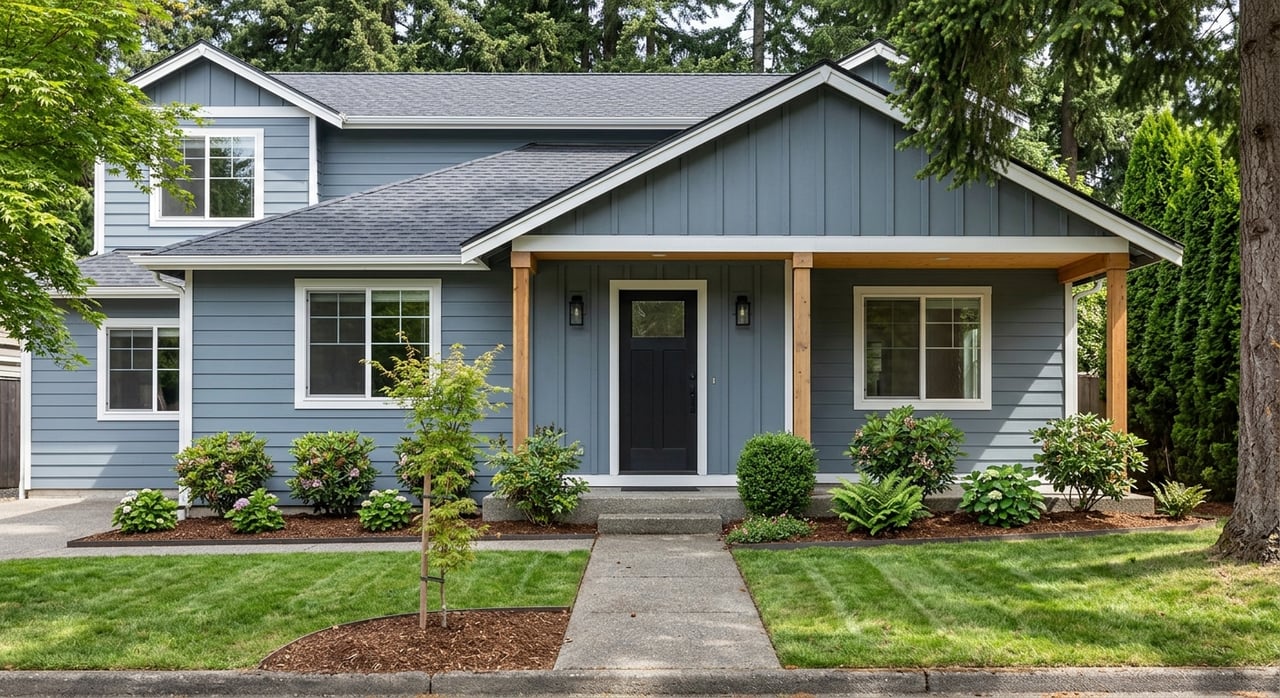
In Bethany, newer often points buyers toward North Bethany. Washington County planned this area as a distinct but connected part of the larger community, with a more detailed focus on public spaces, pedestrian routes, and neighborhood amenities.
Before that expansion, much of North Bethany consisted of rural lots in the five- to ten-acre range. That history helps explain why many newer subdivisions can feel more intentionally laid out and newly integrated into the landscape.
Streetscapes Feel More Coordinated
North Bethany’s plan allows a mix of detached homes, apartments, and higher-density housing near its Main Street area. Street designs in these newer sections can include wide sidewalks, bike lanes, on-street parking, planted medians, and other walkability features.
For some buyers, that creates an organized, polished feel right away. If you like neighborhoods where the public realm feels coordinated and newer infrastructure is visible, this side of Bethany may stand out.
Amenities Are Built Into the Plan
North Bethany was designed with parks, open space, and connected pedestrian and bicycle routes as part of the experience. THPRD identifies Abbey Creek Park, Bethany Creek Park, Kaiser Woods Park, Kaiser Woods Natural Area, and nearby trail connections as part of the neighborhood landscape.
The planned Main Street area is intended to serve as a mixed-use focal point near future parks and community services. That means some newer homes may sit closer to planned amenities and civic nodes than homes on older detached-home streets.
What Established Streets Usually Offer
Established Bethany often points buyers toward Central Bethany and surrounding earlier residential areas. The original plan concentrated more intensive uses around focal points like Bethany Village and the western portion near PCC Rock Creek, while aiming to protect existing residential neighborhoods from conflicting land uses.
As a result, many established streets feel more residential in pattern and less shaped by newer master-planned development standards. For some buyers, that older neighborhood fabric is a big part of the appeal.
Bethany Village Is a Major Draw
Bethany Village serves as the core of the Bethany Town Center. Washington County describes it as including a grocery store, retail shops, offices, restaurants, mixed-use retail and residential buildings, daycare, an education center, and a public plaza with a fountain used for gatherings and concerts.
If you want a built-in convenience base for errands, dining, and everyday services, established areas near Bethany Village can be especially attractive. That kind of daily-use center matters just as much as square footage for many buyers.
Mature Landscaping Changes the Feel
Established streets are also more likely to have mature plantings. That can affect both appearance and upkeep, since Oregon State University Extension notes that newly planted trees, shrubs, groundcovers, and lawns need more water than established plantings because their root systems are shallower.
In practical terms, older streets may offer a more settled landscape from day one. Newer neighborhoods can look fresh and clean, but they may still be in the landscape-establishment phase.
Lot Size and Home Style Are Not One-Size-Fits-All
One of the biggest mistakes buyers make in Bethany is assuming newer means smaller and older means larger. The research suggests the reality is more mixed.
Current listing snapshots show new construction in Bethany can range from homes on roughly 4,800- to 5,600-square-foot lots to newer luxury communities marketed with larger lots and views. Bethany also includes larger-lot homes in the 6,500-square-foot to 0.28-acre range.
Older Streets May Feel Less Uniform
The older Bethany plan places single-family residential uses in the northern portion of the planning area and east of Kaiser Road. Based on the planning documents, established streets are often where buyers may notice more variety in lot shape, setback, and yard pattern.
That does not automatically mean better or worse. It simply means the visual rhythm can feel less uniform, which some buyers prefer because it gives a neighborhood more variation from one home to the next.
Newer Areas Can Feel More Consistent
By contrast, newer subdivisions in North Bethany often reflect clearer planning standards and a stronger design framework. If you value a more consistent streetscape, that can be a plus.
This is especially true for buyers who want newer construction and a neighborhood layout that feels cohesive. The tradeoff is that the look and spacing may feel more planned than organic.
Lifestyle Differences Matter More Than Age Alone
A newer home and an older home can both work well in Bethany, but they often support different routines. Your better fit depends on how you use the neighborhood around you.
If you picture weekends around trails, newer parks, and connected green space, North Bethany may line up well with your goals. If you picture quick trips to a retail center, established outdoor spaces, and a more mature neighborhood setting, older Bethany may feel more natural.
Established Bethany Amenities
Established Bethany offers a different mix of amenities than the newer sections. Bethany Lake Park includes trails, a community garden, fishing, and a lake-centered outdoor setting.
Other neighborhood-scale amenities include Pirate Park and Bethany Creek Park, with playground and trail connections. Combined with Bethany Village, these features support a lifestyle built around existing services and long-established neighborhood gathering points.
Newer North Bethany Amenities
North Bethany leans heavily into connected open space and planned civic structure. Parks, trails, and pedestrian routes are part of how the area was designed from the start.
That can be appealing if you want your neighborhood to feel closely tied to green space and future mixed-use destinations. Buyers who like a more intentionally planned community often respond well to that setup.
Maintenance Costs Can Look Different
The monthly cost of ownership in Bethany is not only about your mortgage payment. The newer-build versus established-street decision can also affect landscaping duties, coordinated maintenance, and service-related costs.
North Bethany’s maintenance framework is more prescriptive than many buyers expect. According to the county plan, property owners maintain landscaping between the curb and the property line, subdivision developments along arterials and collectors provide maintenance through HOAs, and gateways and collector medians are ultimately maintained by one or more MLIDs.
Newer Neighborhoods May Have More Structured Upkeep
The North Bethany plan also calls for uniform lighting, street trees, and grouped mailboxes in new development. That can create a cleaner, more coordinated neighborhood appearance.
But it can also mean your carrying costs reflect more than the home itself. HOA or service-district obligations and landscape expectations may be part of the overall ownership picture.
Established Streets May Shift More to You
Established streets may reduce some of those coordinated costs, but that does not always mean lower effort. In older areas, maintenance may be more individualized.
That can mean more personal responsibility for yard work, older systems, or future remodeling needs. Some buyers like that flexibility, while others prefer a more structured environment.
Road Projects Are Worth Watching
If you are focused on North Bethany, infrastructure timing matters. Washington County says Kaiser Road improvements are expected to continue from 2026 through 2027, including sidewalks, ADA ramps, buffered bike lanes, a midblock crossing, streetlights, and stormwater upgrades.
That is helpful long term, but buyers should also understand the near-term impact. A newer area may come with more visible public works activity and temporary disruption while the transportation network continues to improve.
Which Bethany Option Fits You Best?
There is no universal winner in the newer-versus-established debate. The better choice depends on what you want your home and neighborhood to do for you.
Newer master-planned sections are often a stronger fit if you prioritize newer construction, a more uniform streetscape, and proximity to planned parks and mixed-use nodes. Established streets are often a stronger fit if you want Bethany Village convenience, mature landscaping, and a more varied lot-and-home feel.
Questions to Ask Before You Buy
Before you choose between a newer Bethany build and an established street, it helps to get specific. A clear comparison usually comes from asking practical ownership questions early.
Here are a few of the most useful ones:
- Who maintains the landscape strip between the curb and property line?
- What HOA or service-district costs apply?
- How much irrigation will the yard likely need?
- Is the home near an active road or infrastructure project?
- Is the lot part of a planned-development area or a more traditional residential block?
If you are weighing both options, this is where local guidance can save you time. The right home is not just about the floor plan. It is about how the neighborhood structure, maintenance expectations, and daily convenience line up with your priorities.
When you want a data-backed, practical read on Bethany’s subareas, Eleete Real Estate can help you compare options and move forward with more clarity.
FAQs
What is the difference between newer and established areas in Bethany?
- In Bethany, newer usually refers to North Bethany, which was planned later as a more complete community with parks, trails, housing, and mixed-use areas, while established areas usually refer to Central Bethany and neighborhoods around Bethany Village.
Are newer Bethany homes always on smaller lots?
- No. Research shows newer Bethany construction includes a range of lot sizes, from roughly 4,800 to 5,600 square feet in some communities to larger lots in certain newer luxury neighborhoods.
What makes established Bethany streets appealing to buyers?
- Established Bethany streets often appeal to buyers who want mature landscaping, access to Bethany Village conveniences, and a neighborhood feel with more variation in lot shape, setback, and yard pattern.
Do newer North Bethany neighborhoods have more HOA-related structure?
- Often, yes. North Bethany’s plan includes structured maintenance expectations, and some developments along arterials and collectors provide maintenance through HOAs, with other features maintained through MLIDs.
Are there infrastructure projects buyers should watch in North Bethany?
- Yes. Washington County says Kaiser Road improvements are expected to continue from 2026 through 2027, with upgrades including sidewalks, bike lanes, streetlights, ADA ramps, and stormwater improvements.
Is Bethany Village part of the established Bethany appeal?
- Yes. Bethany Village is a major convenience hub in established Bethany, with grocery, retail, restaurants, offices, mixed-use buildings, daycare, an education center, and a public plaza.